VERI

San Martín de Veri, Huesca, Spain · 1,000 m — Pyrenees

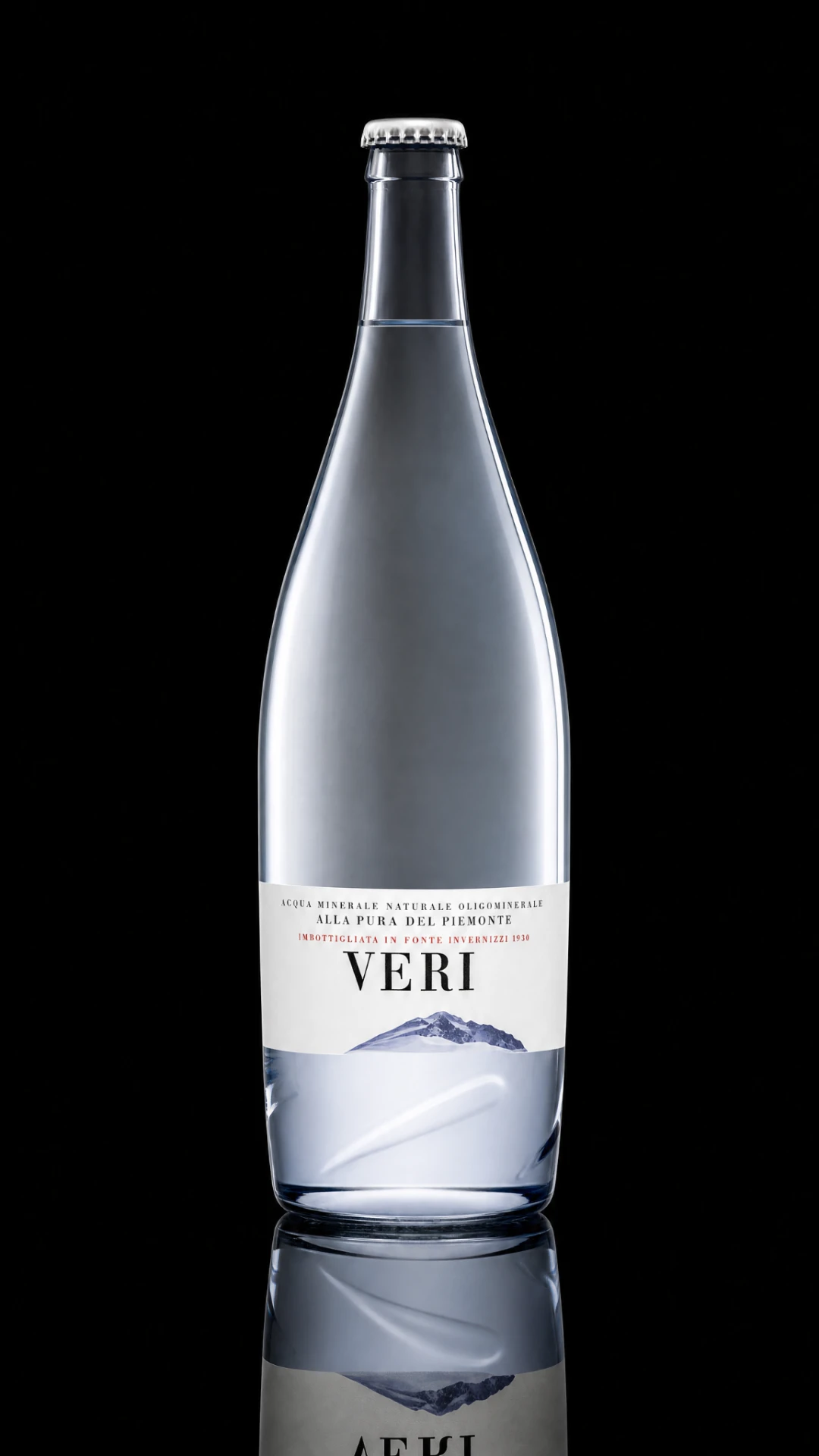
Glass bottle of VERI natural mineral water from the Huesca Pyrenees, Spain

Agua de Veri rises from high-altitude springs at San Martín de Veri, in the Huesca Pyrenees, more than 1,000 metres above sea level.

Filtering slowly through granite and pristine mountain rock, it emerges weakly mineralized and extremely low in sodium — clean, light and refreshing on the palate.

VERI. Water in its purest form.

Water profile

Weakly Mineralized. Exceptionally Low in Sodium.

A bicarbonate–calcium water of weak mineralization: a gentle natural buffer for digestion, faint structural body from calcium, and only 2.5 mg/L of sodium — suited to low-sodium diets and infant formula.

Values in mg/L, from the brand's published analysis (Spring 1, main source).

Minerality

LowHigh

203 mg/L TDS

Moderate minerality

High-altitude Pyrenean springs
Above 1,000 m
Weak mineralization
Very low sodium
Filtered through granite
Bottled at source in glass

Provenance

Pure origins in the High Pyrenees

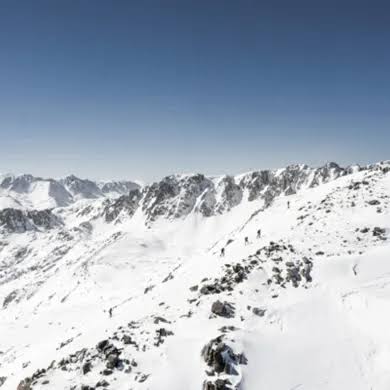
Snow-covered Pyrenean ridgelines under a clear winter sky

10th — 18th century

Glacial origins and sacred refuge

High in the Pyrenees, the snowmelt and rain of the High Ribagorza valley began a decades-long filter through granite and pristine mountain rock.

Long before commercial interest, the mountain communities of the range drew on these high-altitude springs for daily life, valuing the water for its clarity and softness.

By the 18th century, the isolation of the surrounding peaks kept the water entirely protected from human influence or agricultural impact.
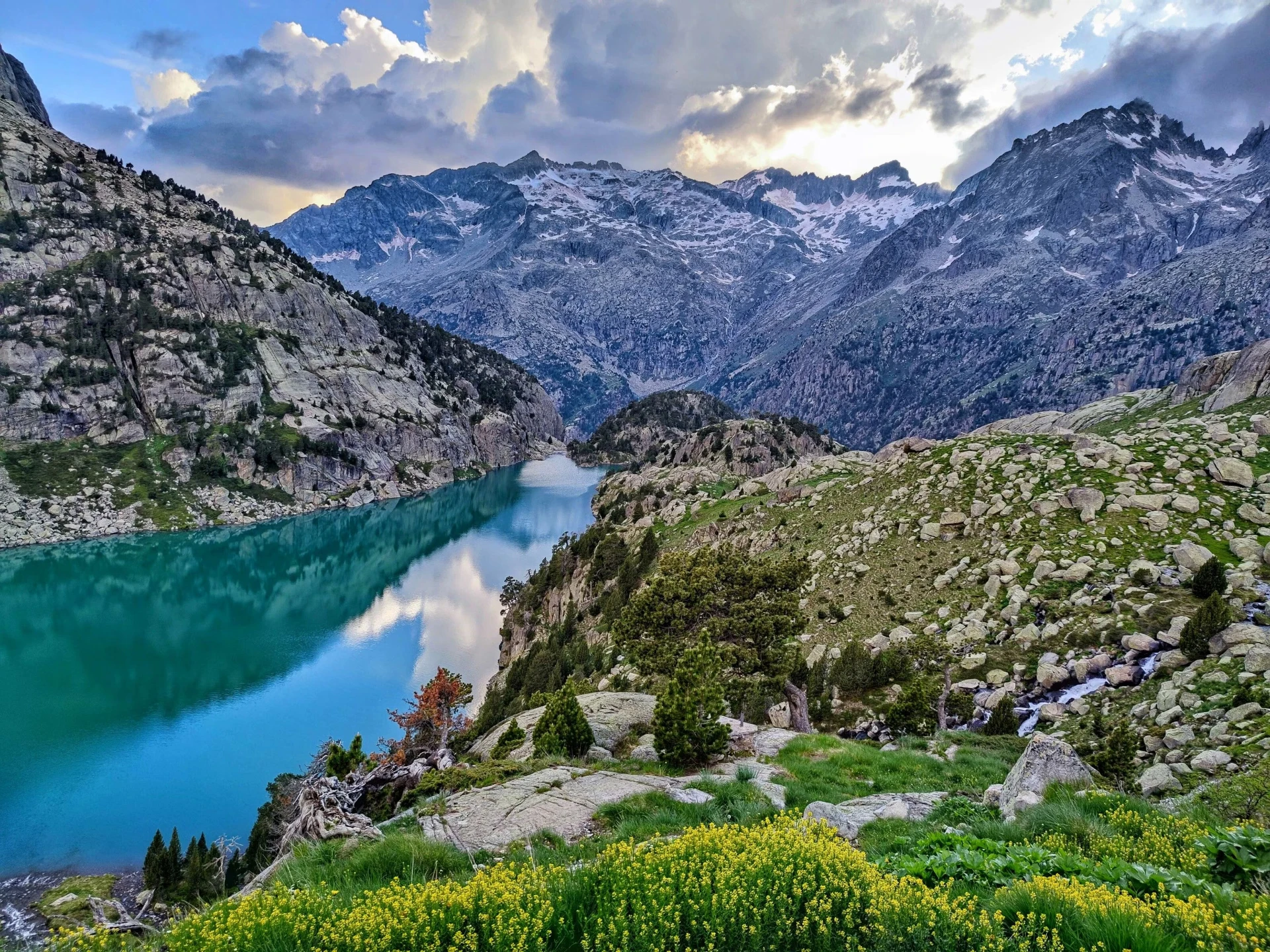
Turquoise glacial lake beneath granite peaks in the Pyrenees

The high valleys

Granite, snowmelt and still water

Above the treeline the range holds its water in glacial lakes and hanging valleys, turquoise against bare granite.

What the snow leaves behind travels slowly downward through rock that gives up almost nothing.

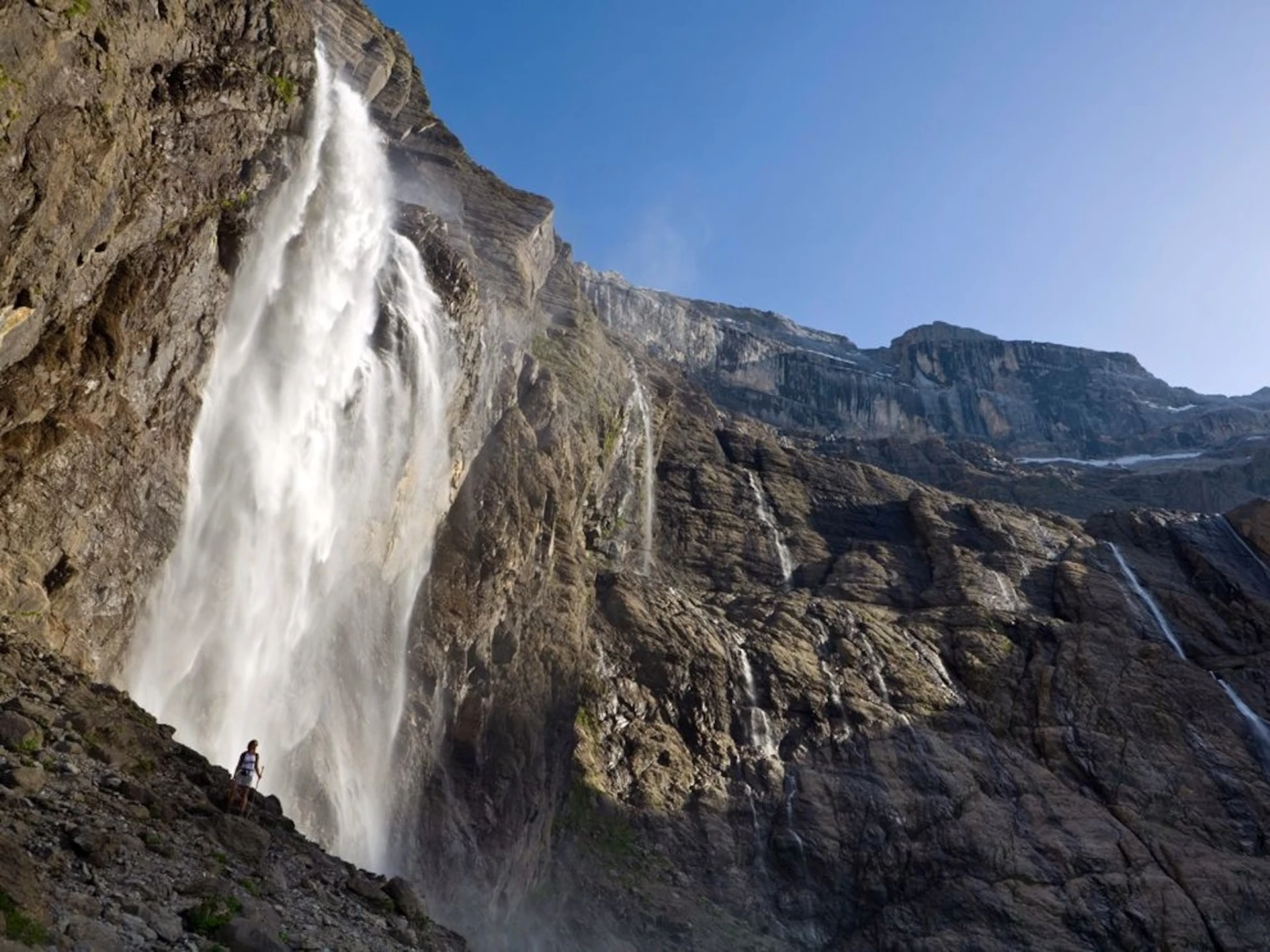
A tall waterfall falling from a limestone cirque wall in the Pyrenees

19th century

Discovery in the Pyrenean wilderness

As the therapeutic reputation of mountain springs spread across Spain, the source near San Martín de Veri began drawing visitors seeking health and renewal in the crisp Pyrenean air.

Travelers and naturalists documented its exceptional purity, noting the extraordinarily low mineral content left by a journey through dense, non-porous granite bedrock.

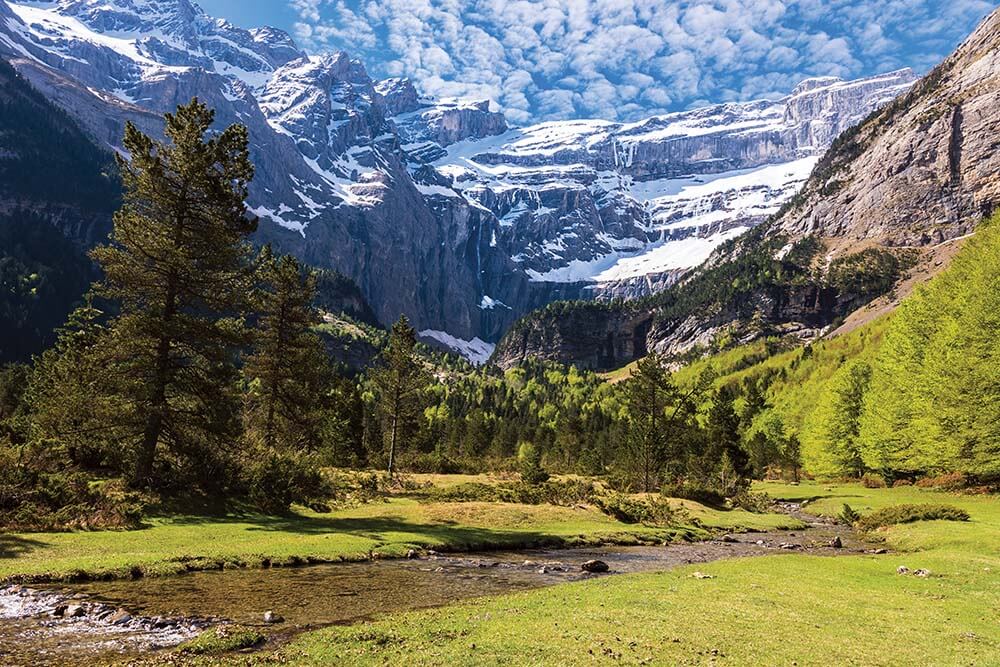
Snow-streaked cirque above a green meadow and mountain stream

20th century

From mountain spring to national icon

In the mid-20th century, formal bottling began at the source at over 1,000 metres above sea level, preserving the composition exactly as it emerges.

By 1969 Veri was officially recognised for its mineral-medicinal properties — particularly its low sodium and light composition, ideal for delicate diets and infant nutrition.

The brand grew from a regional secret into one of Spain's most respected natural mineral waters.

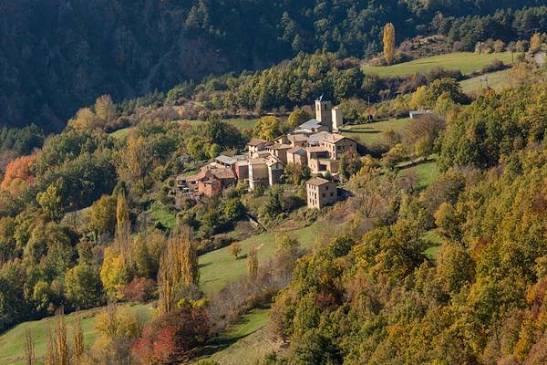
The stone village of San Martín de Veri on a wooded hillside in autumn

The village

San Martín de Veri

A handful of stone houses and a bell tower on a wooded shoulder of the Ribagorza, unchanged in outline for centuries.

The spring belongs to this place, and the place has kept it clean.

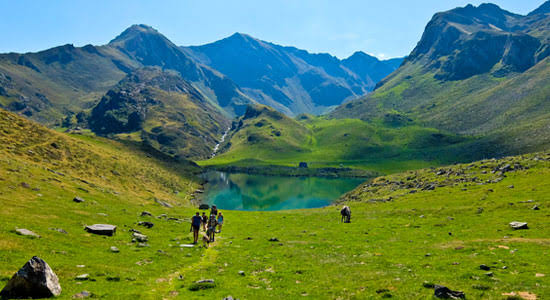
Walkers crossing a green Pyrenean valley beside a mountain lake

21st century — today

Protected nature and ecological commitment

The spring remains surrounded by the high-altitude ecosystem of the Posets-Maladeta Natural Park, ensuring untouched purity at the source.

Veri has become a benchmark for sustainability, with environmental stewardship of the Pyrenean ecosystem and eco-friendly packaging at its centre.

Today it is celebrated for its soft, clean taste — a direct reflection of the snows and granite of the High Pyrenees.

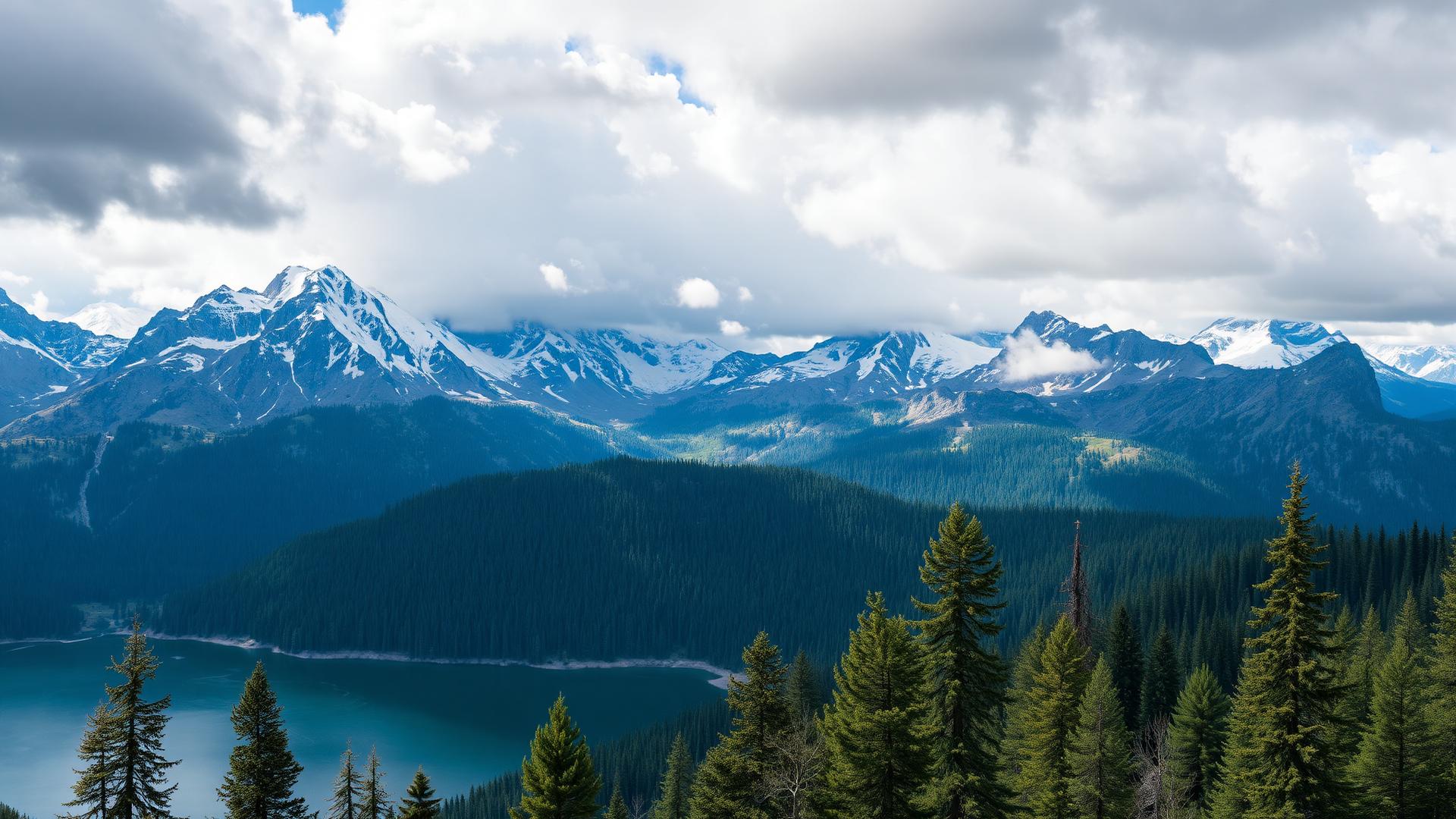
Snow-capped Pyrenean peaks above a high mountain valley in Huesca, Spain

From the snows and granite of the High Pyrenees.

VERI. Water in its purest form.