Agua deBenassal

Benassal, Castellón, Spain

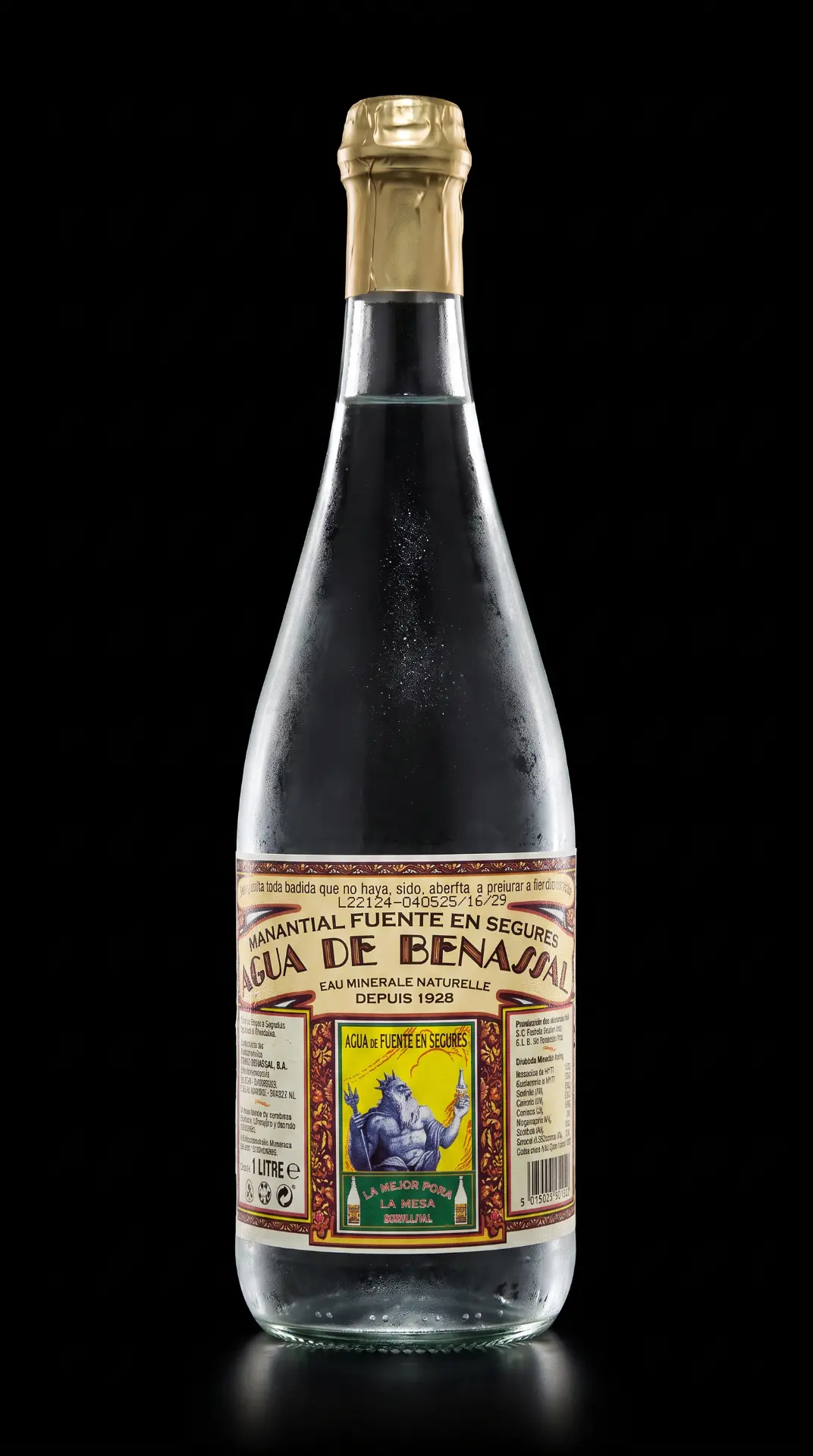
Bottle of Agua de Benassal mineral water

Agua de Benassal springs from the Fuente en Segures Spring, in the heart of the Maestrazgo mountains.

Filtered through the rocks of the Fuente en Segures Spring, it is a mineral-medicinal water of low mineralization with a unique and stable mineral composition.

Its excellence was officially recognized in 1928. Bright and crystalline, with a subtle mineral aroma, it is especially noted for its bicarbonate, calcium and low sodium content.

Water profile

Balanced. Stable. Naturally therapeutic.

Born in the Maestrazgo mountains, Agua de Benassal is a low mineralization mineral-medicinal water with a unique and stable composition. Its particular mineral balance is recognized for the beneficial therapeutic properties attributed to this natural water.

Official values shown from the brand's published chemical composition.

Minerality

LowHigh

270 mg/L TDS

Moderate minerality

Low mineralization
Oligometallic
Low in sodium
Main components: bicarbonate and calcium
Dr. Oliver Rodés Laboratory 2020
Mineral-medicinal since 1928

Provenance

Five centuries at Font d'en Segures

The Maestrazgo valley above Benassal

16th — 17th century

A watering hole becomes a remedy

The spring first served the livestock of the surrounding villages, a plain stop on the mountain tracks of the Maestrazgo.

Sixteenth-century records already note its effects: the water, locals wrote, "eased digestion for those with an abundance of blood."

By 1716, so many people were walking to the source that a three-barrel stone vault was raised over it, turning a livestock pool into a place made for drinking.
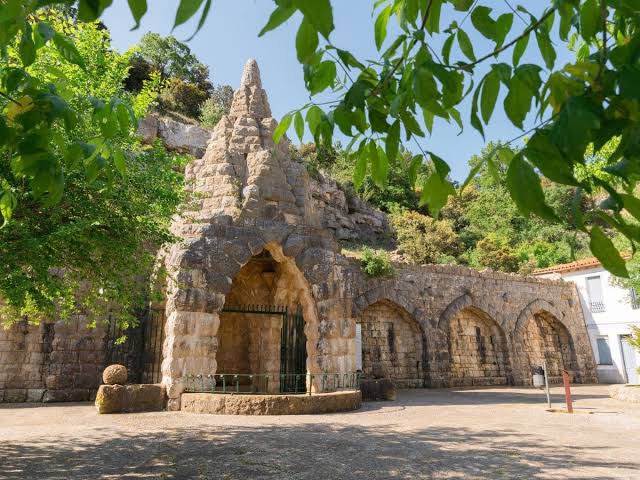
The stone vault over the Font d'en Segures spring

18th century

Royal attention and the first treatise

In the mid-1700s Louis Joseph de Bourbon, Duke of Vendôme, suffering from severe kidney stones, had a carriage road cleared directly to the spring so he could take the water at its source.

In 1780 its medical profile was formally documented in Virtudes Medicinales del Agua de la Fuente Segura, which praised its effectiveness against "urine sickness" — ailments of the kidneys and urinary tract.

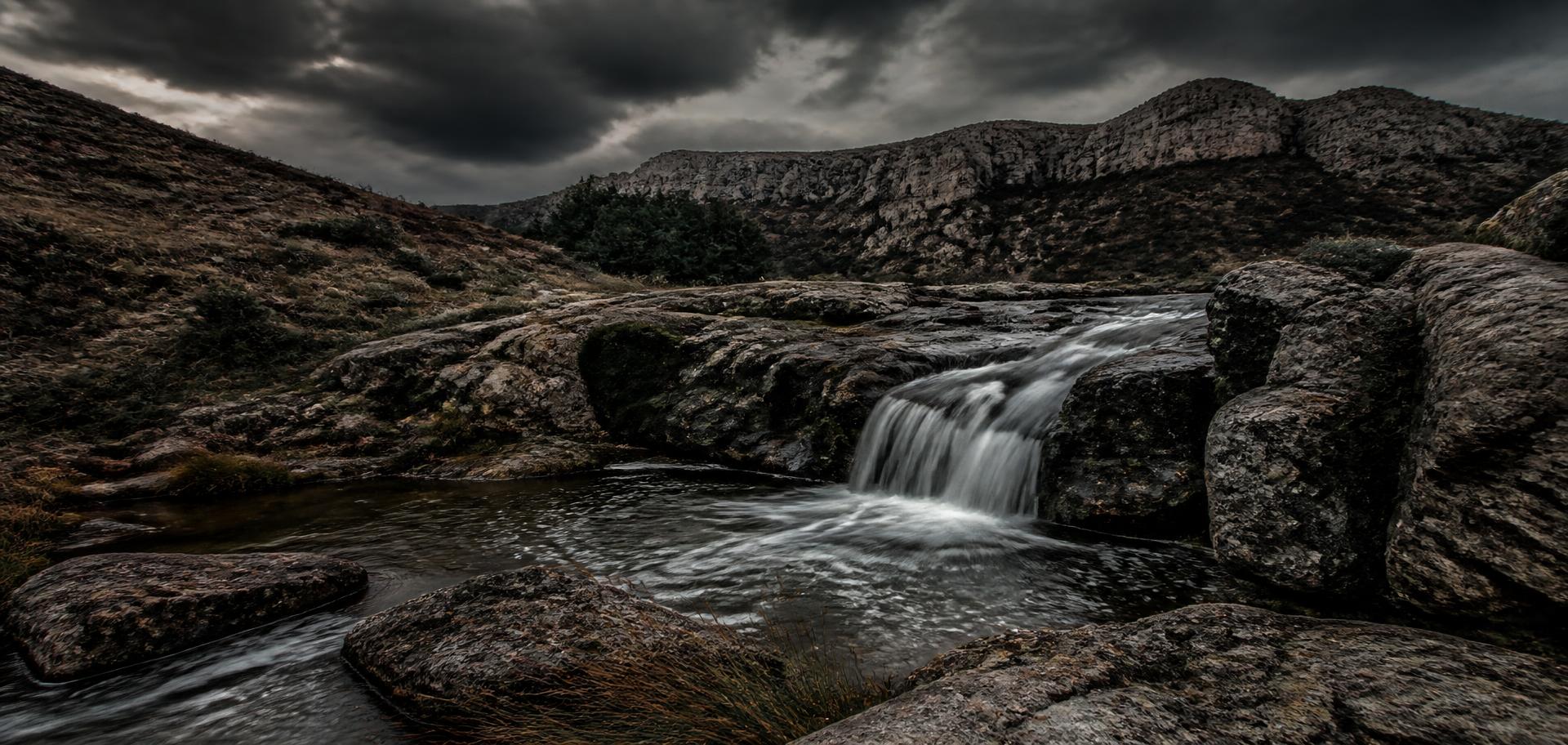
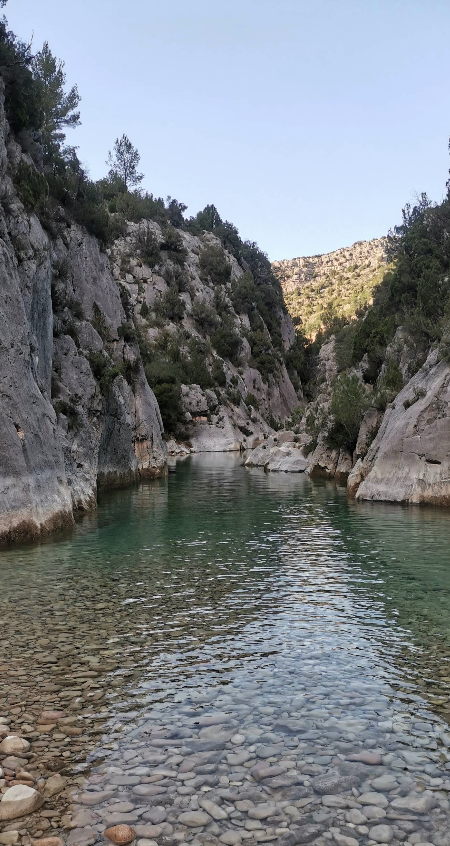
A limestone gorge and clear river pool near Benassal

19th century

The balneario and the Valencian summer

As roads and communications improved, a thermal spa was built around the spring and Font d'en Segures became a destination for rest and health tourism.

The commercial bourgeoisie of Valencia summered here, and hotels, romantic-style apartments and holiday houses grew into a second urban nucleus, separate from the historic center of Benassal.

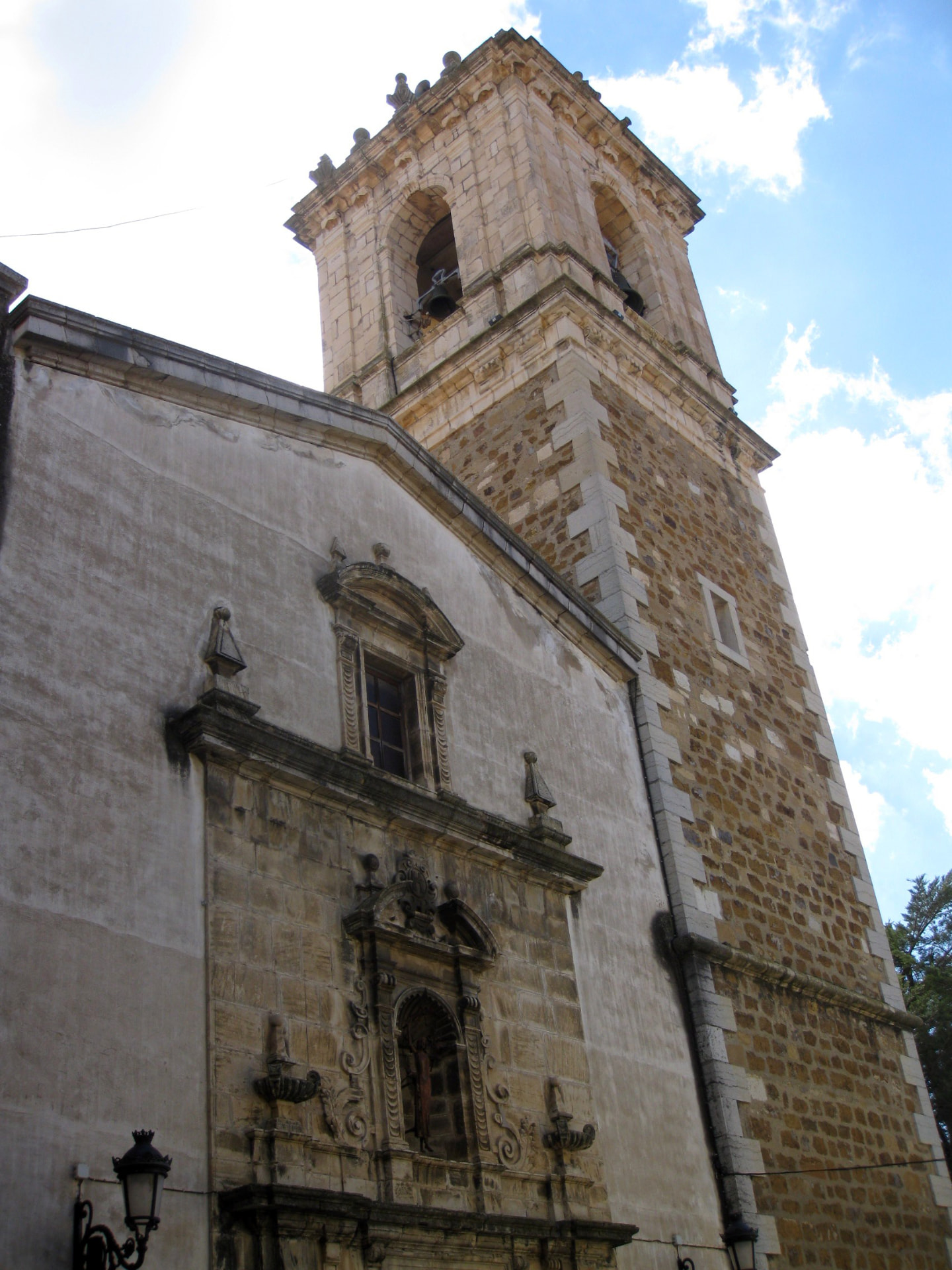
The parish church of l'Assumpció in Benassal

1928 — today

Declared mineral-medicinal

By Royal Order in 1928 the spring was declared of public utility and mineral-medicinal.

Dr. Antonio Puigvert, one of Spain's most celebrated urologists, prescribed it widely for its diuretic value and its role in preventing kidney stones — and the water became known nationally.

The bottling company is today owned entirely by the local town council. The water has moved from pharmacy shelves to elite gastronomy, collecting international honors including the Superior Taste Award in Brussels among the best-tasting waters in the world.

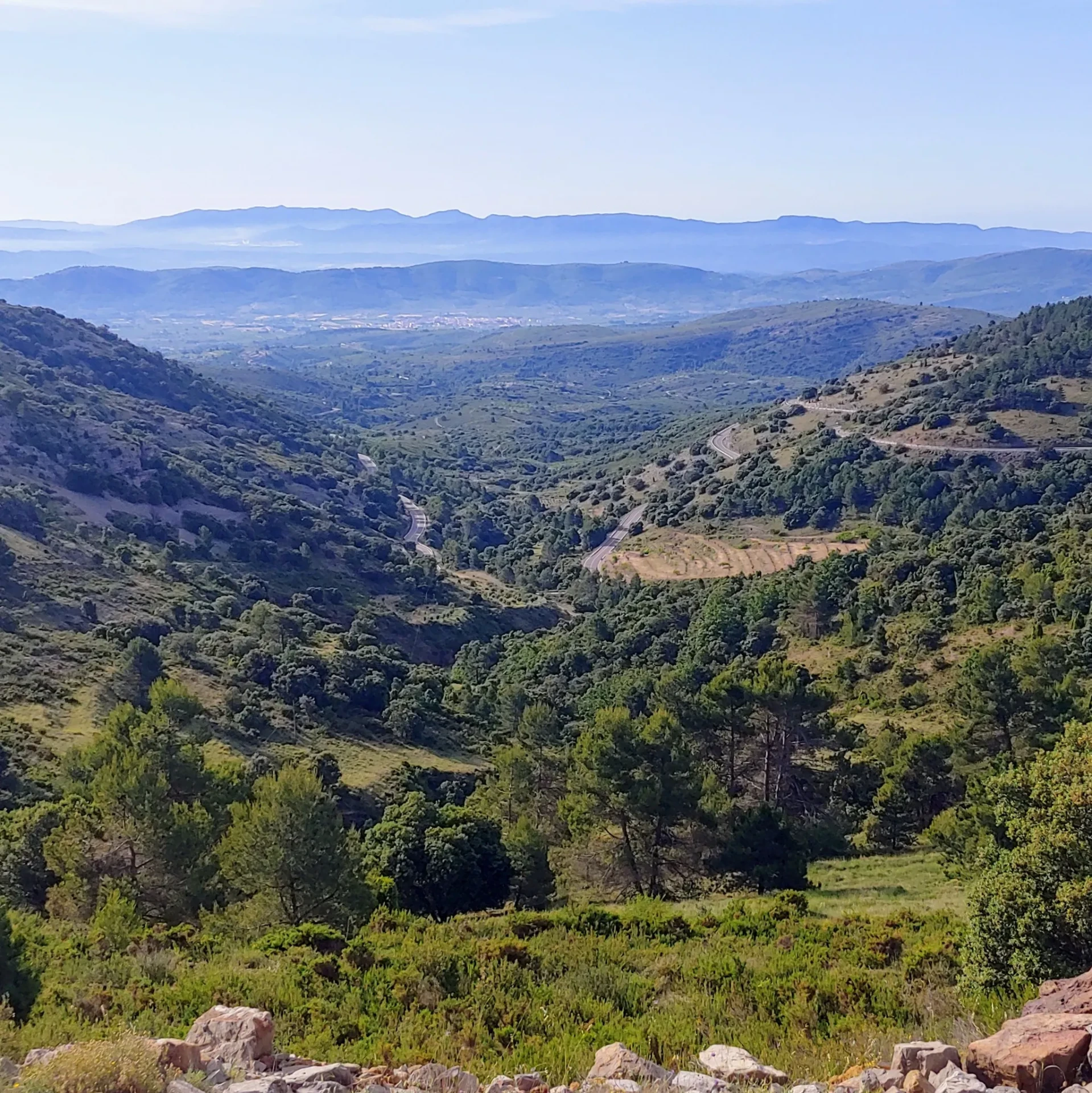
Mountain spring in the Maestrazgo, Spain

From Fuente en Segures to the table.

Pure. Historic. Benassal.